
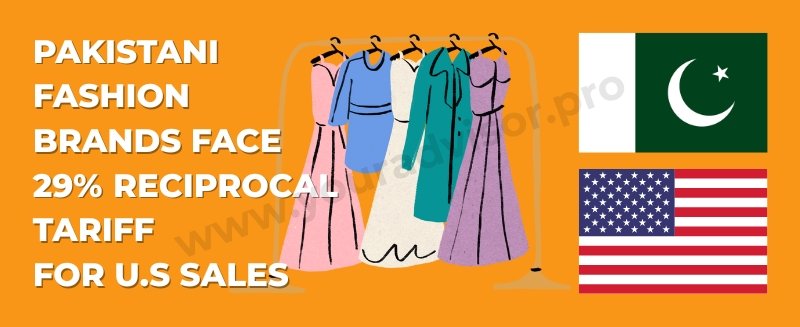
How Trump’s 29% Tariff Could Impact Pakistani Fashion Brands and Marketplaces Like LAAM
In April 2025, President Donald J. Trump’s administration will begin enforcing a new Reciprocal Tariff Regime — and Pakistan is officially on the list with a 29% tariff rate. While the spotlight has mostly been on China, the implications for Pakistan are equally serious — especially for fashion brands and platforms exporting to the U.S.
One name that stands out in this context is LAAM — a fashion marketplace that’s home to hundreds of Pakistani designers and ready-to-wear labels, many of which are now actively selling in international markets, particularly the U.S.
📦 What’s Changing?
The new U.S. trade policy includes:
- A 10% baseline global tariff
- Higher reciprocal tariffs for countries with large U.S. trade deficits
- A 29% tariff on goods from Pakistan
- Elimination of the $800 de minimis exemption for China and Hong Kong (with possible removal for other countries including Pakistan)
👗 Impact on Pakistani Fashion Brands
1. Increased Prices for U.S. Buyers
A 29% tariff on orders like bridal dresses ($500–$1000) could add $145–$290 in duties — making Pakistani products less competitive unless the brand absorbs the cost.
2. Margins Under Pressure
Fashion brands may need to choose between:
- Increasing prices (which could reduce sales)
- Absorbing duties (which lowers profit margins)
3. Fulfillment Complications
Brands shipping via courier may lose the advantage of duty-free de minimis access, resulting in delays and additional costs at the customer’s doorstep.
🛍 Impact on LAAM as a Marketplace
As a marketplace, LAAM facilitates orders, payments, and support — but also faces risk from these changes:
1. Drop in Conversion Rates
Surprise duties at checkout or delivery may cause cart abandonment and hurt customer trust.
2. Higher Returns and Chargebacks
Without prepaid duties or clear cost communication, buyers may refuse orders, causing returns and payment disputes.
3. Local Fulfillment Pressures
To avoid duties and reduce shipping delays, LAAM may need to:
- Stock inventory in U.S. warehouses
- Use Delivered Duty Paid (DDP) shipping methods
- Consolidate orders via bulk freight
4. Pressure to Restructure the Marketplace Model
With new costs, LAAM may need to revise brand agreements or build localized storefronts for specific regions like the U.S. and UAE.
🔍 Strategic Actions for Pakistani Brands & Marketplaces
To stay competitive, Pakistani fashion brands and platforms should:
- Build transparent landed pricing with duties included
- Explore bulk shipping or U.S. warehouse stocking
- Work with customs brokers to classify goods optimally
- Educate customers on how tariffs affect pricing
- Develop U.S.-specific marketing strategies
✨ Final Thoughts
This 29% tariff isn’t the end — but it’s a critical moment for Pakistani fashion exporters.
LAAM has already built the infrastructure to take Pakistani fashion global. Now, it must evolve operationally — with smarter logistics, compliance, and localization — to continue thriving in a post-tariff world.
For fashion brands and exporters, the message is clear: complexity is growing, but so is opportunity.
💬 Need help navigating global B2C exports, customs compliance, or e-commerce setup?
Let’s connect. We offer hands-on support to Pakistani brands and marketplaces looking to grow globally.
#PakistanExports #FashionExport #MadeInPakistan #LAAM #TrumpTariffs #B2CExport #GlobalFashion #PakistaniBrands #ReciprocalTariff #EcommerceExport #YourAdvisorPro